Details
Currently, the number of employed people in Serbia roughly corresponds to the level that was before the financial crisis, but it is still lower than in the early 2000s – 2.7-3 million, including the shadow sector and self-employed farmers. At the same time, more than 200 thousand citizens remain unemployed, and the economically inactive population (persons over the age of 15 who are not working and are not looking for work, in particular, students, pensioners or housewives) accounts for 2.5 million persons.
Context
Aleksandar Vucic has dominated Serbian politics for more than 10 years, first as prime minister and then as president. For supporters, he is a pragmatic leader and "savior of the nation", who, balancing between the EU, China and the Russian Federation, provided the country with stability and sustainable economic growth after the protracted consequences of the Yugoslav wars and the global financial crisis 2008 year
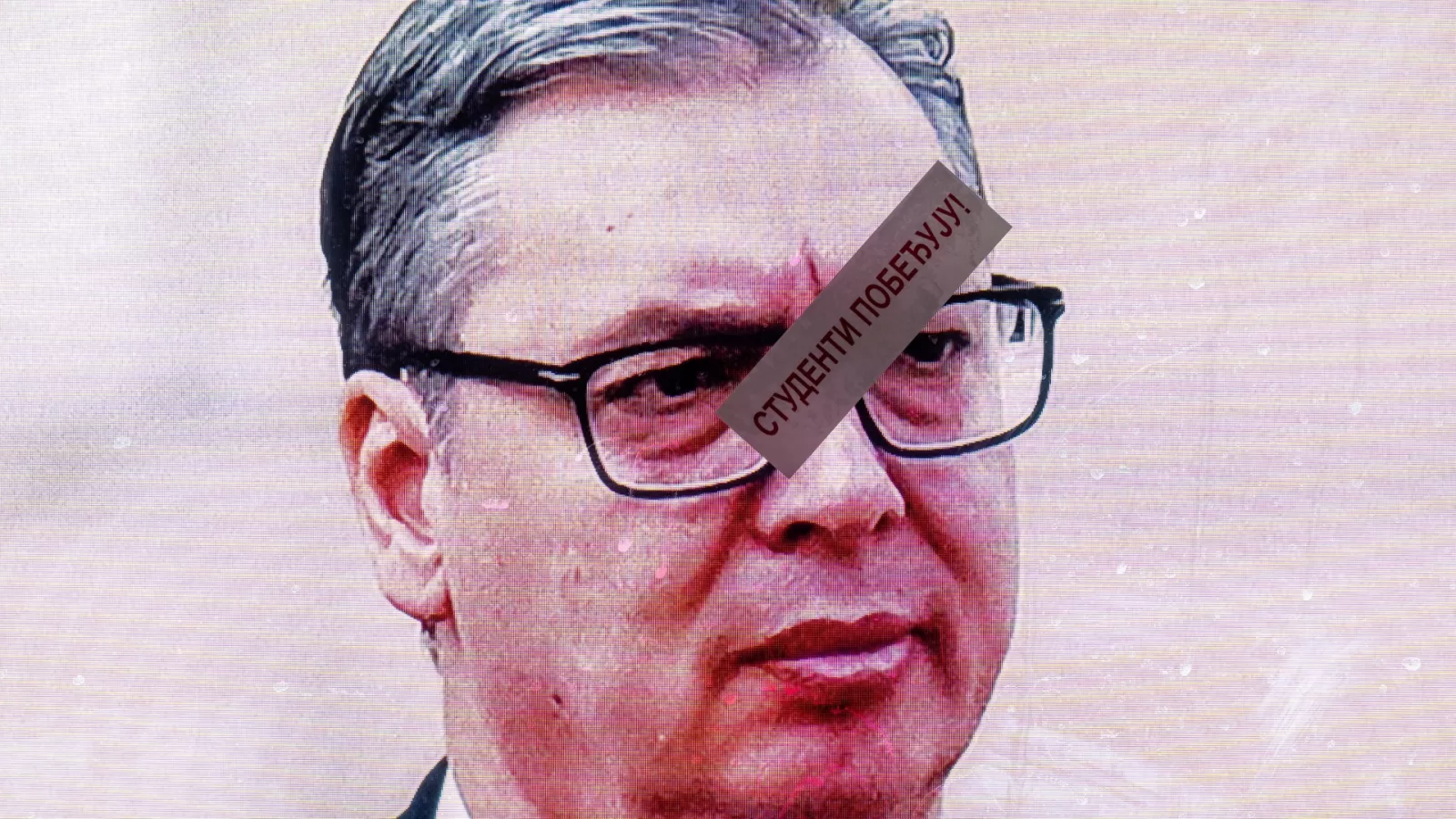
Moreover, the growing protests after the collapse of the canopy over the railway station in Novi Sad on November 1, 2024, which claimed the lives of 16 people, turned into a protracted political crisis.
What's next
It was the protests, as well as the deterioration of relations with the country's key donor – the European Union, that forced Vucic to resort to the plan with a castling: he resigned early from the second and last presidential term, counting after early parliamentary elections on October 25, to head the government again. According to the Constitution of Serbia, it is the prime minister who is the head of the executive power, so Aleksandar will retain his influence if he succeeds.