Details
The nature of organized crime has also changed: large cartels have moved their bloody wars from the city streets to the Amazon jungle, focusing on money laundering through legitimate businesses.
Context
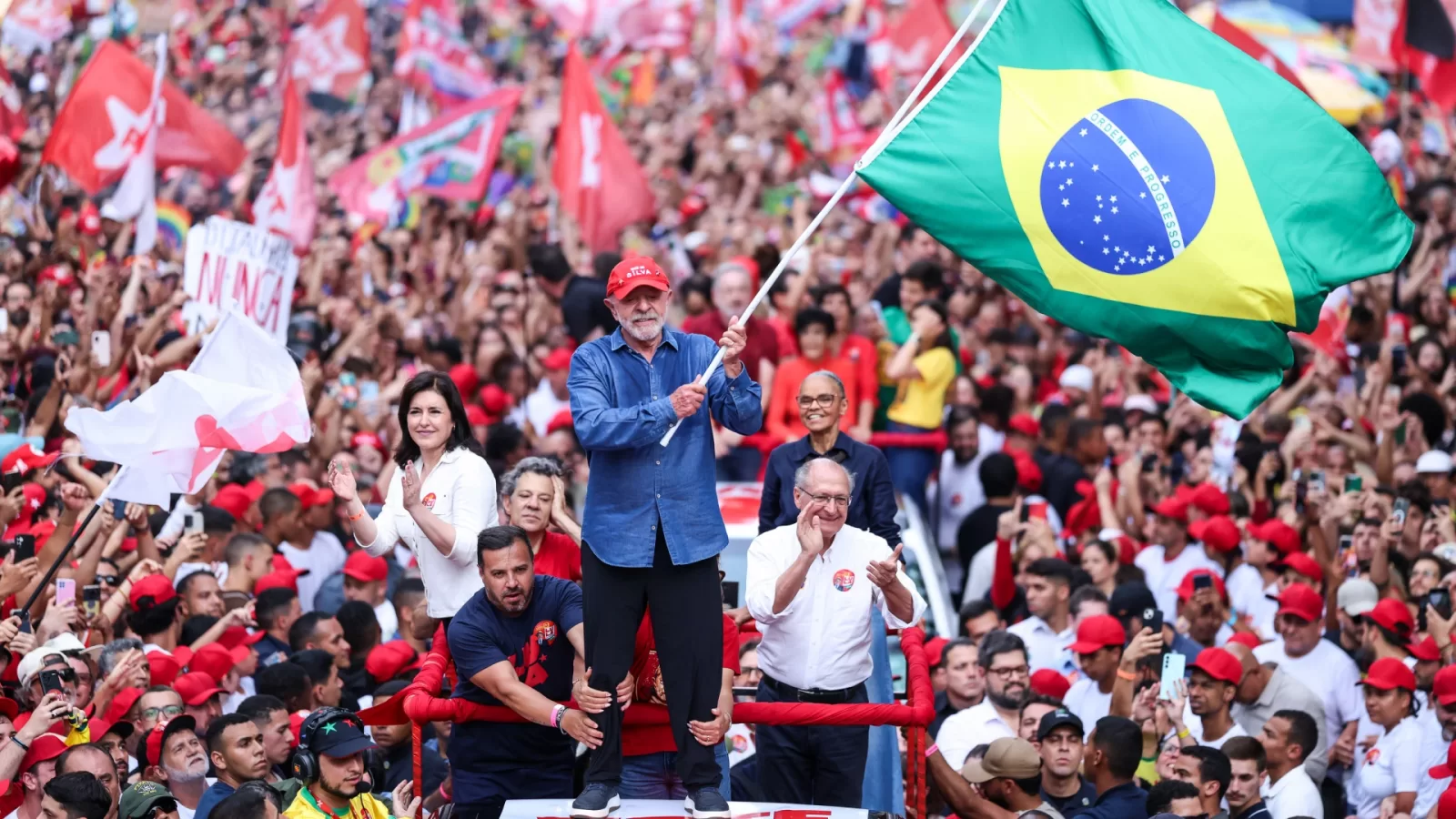
On October 25, the current president of Brazil, leftist Luiz Inacio Lula da Silva, won the second round of the presidential election of his right-wing rival Flavio Bolsonaro, who led in the first round. Flavio is the son of former President Jair Bolsonaro, who was sentenced last year to 27 years in prison for storming Congress and attempting a coup after losing the 2022 election.
After Lula's defeat in the first round with a difference of more than 2 million votes, bookmakers and polls gave him almost no chance in the second round. But the 81-year-old veteran of Brazilian politics managed to make a comeback in three weeks: scoring 51.79%, he defeated Bolsonaro Jr. by a margin of almost 4.4 million votes.
What's next
After the crime rate, Brazilians cited corruption (22% of respondents), the economy (19%) and the health sector (15%) as the next three key triggers before the elections. In all these areas, there was also a gap between government reports and citizens' perceptions.