Details
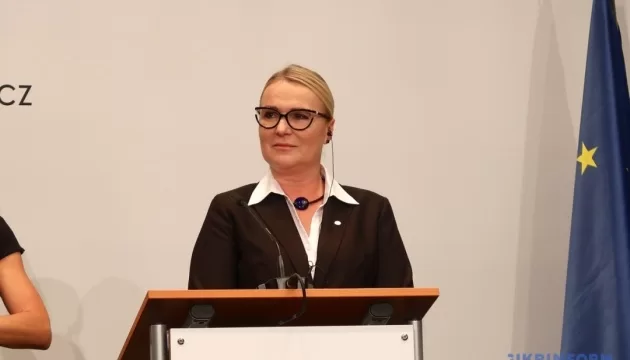
She called the planned visit to Ukraine of the First VicePrime Minister - Minister of Industry and Trade Karel Havlicek with the delegation a positive example of economic diplomacy, but, in her opinion, this is not enough.
The Munich Agreement of 1938 is a treaty signed in Munich on 29–30 September 1938 between Germany, Italy, the United Kingdom and France without the participation of representatives of Czechoslovakia, which led to the accession of the Sudetenland Czechoslovakia to Nazi Germany. This agreement was the culmination of the policy of "appeasement" of the aggressor by Great Britain and France, which led to the elimination of Czechoslovakia and brought the outbreak of World War II closer.
Context
She recalled that on September 30, the 88th anniversary of the conclusion of the Munich Agreement passed, "when the allies sacrificed us."
She criticized discussions about whether territory could pay for peace. According to her, the Munich experience should remind how dangerous it is to decide the fate of the attacked country without its participation and to believe that a concession to the aggressor will bring lasting peace. The Czech Republic, given its historical experience, cannot allow the repetition with other countries of what happened to Czechoslovakia, the MP is convinced.
What's next
"And here I see a parallel with modern Ukraine, which faces aggression from the state, which claims part of its territory by force. We have no right to sacrifice Ukraine, and we must ensure that Ukraine has the main word in the negotiations on what its post-war structure will be, "Chernokhova said.